


Tax Savings Tool in Retirement - A New Way to Look at Your HSA
HSAs are savings accounts that can be used to pay for medical expenses for those with high-deductible health plans.
You or your employer can contribute funds to the HSA, which can then be used to cover your out-of-pocket medical costs during the year. Contributions are tax-deductible and the money can be invested within the HSA and grow tax-free. Withdrawals are tax-free as long as they are used for qualified medical expenses.
If you are eligible to contribute to an HSA and have the financial means to cover your current healthcare costs, the best strategy is to contribute as much as possible, invest the money in the account, and avoid tapping into the funds until retirement.
HSA funds never expire. When it comes to the HSA, there's no use-it-or-lose-it rule. Unlike Flexible Spending Account (FSA) funds, you keep your HSA dollars forever, even if you change employers, health plans, or retire.
While many use their HSA to cover current prescription copays or high premiums, you will get the most out of this account if you wait to spend it until you’re older and have significantly more medical expenses. Waiting allows you to take advantage of the tax-deferred growth on investments in the account, cushioning your retirement savings even more.
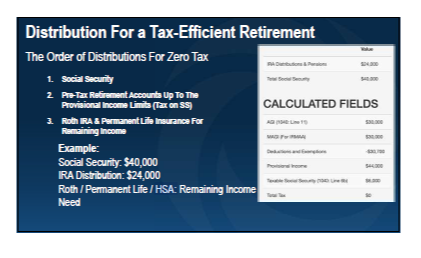
Did you know that there is no deadline for HSA reimbursements?
According to the IRS, there is no time limit for paying yourself back for medical expenses incurred after the opening of the HSA account. This can be a great option for those who are disciplined record keepers. Saving receipts and keeping meticulous records is necessary. Stockpile your receipts then, cash them in many years later and reimburse yourself in large lump sums.
Other ways to use your HSA in retirement.
Leave an inheritance for your spouse: By designating your spouse as the primary beneficiary, your HSA ownership will seamlessly transfer to your spouse upon your passing, allowing for tax-free growth and withdrawal for qualified medical costs.
Cover health care costs: You can use your HSA to fund health care needs like COBRA premiums or Medicare Parts A, premiums. It can also offset expenses related to tax-qualified long-term care insurance.
Use as a bridge to Medicare: If you retire before 65, your HSA can help you transition into Medicare by covering health expenses. However, once you are enrolled in Medicare, you cannot make any more contributions to your HSA.
With careful planning and a long-term strategy, your HSA can play a key role in your financial future.